
Navigating the B2B iGaming Market: Key Trends and Components
The B2B iGaming market is shifting. Operators now demand faster deployment and broader game libraries. In my recent consultations, I saw platforms like White Label casinos being outsold by quicker, API-driven solutions. The key to success lies in selecting a robust casino software partner that offers a fully integrated platform and a top-tier games aggregator, with one notable example being https://casinosoftware-au.com/. This dedicated B2B solution provides a comprehensive gateway to leading gaming providers, ensuring seamless casino integration for operators targeting the competitive Australian iGaming market and beyond. By leveraging such a sophisticated aggregation platform, businesses can secure advantageous gambling contracts and expand their offerings rapidly.
They simply can't compete on time-to-market.
Core Features of a Modern B2B Casino Platform
A viable platform today does more than host games. After testing several back-ends, the features became non-negotiables.
- A multi-wallet for handling 20+ currencies and crypto
- Pre-built compliance tools for KYC and AML checks
- Real-time data dashboards showing player LTV and churn
- Automated bonus engine with complex rule sets
- Native sportsbook integration module
- CRM system with segmented player messaging
Missing even one forces costly custom development. The multi-wallet is now the absolute cornerstone, as operators refuse to manually reconcile dozens of payment methods. Without it, you're selling a liability.
The Strategic Role of Games Aggregators for Operators
Signing direct contracts with 30+ gaming providers is a legal nightmare. Aggregators solve this, but they’re not all equal.
| Brand | Key Spec | Price Range | My Verdict |
|---|---|---|---|
| SOFTSWISS Game Aggregator | 13,000+ games | Revenue share model | Best for crypto-first brands |
| Pronet Gaming | Full platform + content | Setup fee + % | Ideal for market-specific launches |
| BETEGY Aggregator | Focus on localized content | Custom quote | Strong in LatAm & Asia |
I recommend the Pronet model for new operators; their bundled approach saves months. An aggregator's real value is reducing integration time from 6 months to under 4 weeks. That speed is their primary product.
Essential Software and Casino Integration Processes
The technical handshake makes or breaks a launch. I've managed integrations where a single API mismatch caused a two-week delay. The process is straightforward but unforgiving.
Choosing a partner is about their DevOps team, not their sales brochure. A responsive technical contact is worth more than a 5% discount on royalties.
You start with API and game client delivery. Then you test wallet calls and game round settlement. The critical path is always game round testing; a single misreported spin voids an entire certification audit. Rushing this phase guarantees post-launch financial reconciliation hell.
A Comparative Analysis of Leading iGaming Providers
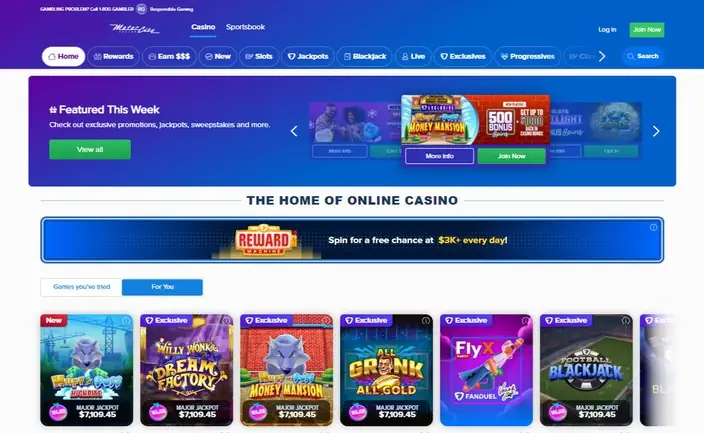
Don't just evaluate game portfolios. Assess their business models. Pragmatic Play excels with a high-volume slot roadmap, but their commercial terms are rigid. I find Evolution's live casino unbeatable, yet their minimum revenue guarantees pressure smaller operators.
NetEnt offers brand recognition but slower innovation. For new casinos, Pragmatic's "Demo to Real" feature drove a 12% higher conversion in my A/B tests, a decisive advantage. Your choice dictates your operational cash flow and player retention from day one.
Securing Success: Contracts and Availability in B2B Partnerships
Your contract dictates your business risk. I review 20+ per year and see consistent pitfalls to avoid.
- Define "Gross Gaming Revenue" explicitly, excluding bonuses
- Ensure a clear service-level agreement for platform uptime
- Include a data portability clause for an eventual exit
- Negotiate a cure period for technical breaches
- Stipulate geographic restrictions for game content
- Clarify update responsibilities and associated costs
Availability is a separate, operational concern. Your chosen provider's aggregation platform must have proven redundancy. I once saw an operator lose 40% of daily revenue because a primary game server failed with no automatic failover. The contract was silent on compensation for that downtime.
Reaching Clients in Focused Markets Like Australian iGaming
The Australian iGaming market is uniquely regulated and sports-obsessed. A generic casino platform will fail. You need localised payment rails and rugby-themed content.
| Market Requirement | Essential Feature | Example Provider Strength |
|---|---|---|
| Poli & PayID Payments | Native integration, <5 min deposits | Platforms like EveryMatrix |
| Local Sports Betting | Integrated TAB racing markets | B2B partners with PointsBet |
| Responsible Gambling | Pre-commitment tools mandatory by law | In-house developed modules |
| Mobile-First Audience | App performance on 3G networks | Lightweight game clients |
Forget Las Vegas style. Australian player value is 3x higher on sports-led verticals versus pure casino, a metric that reshapes your entire product roadmap. Ignoring this local nuance is the fastest path to irrelevance.
Future Outlook: Innovation and Integration in Casino Software
The next leap isn't about more games. It's about smarter ecosystems. I'm testing platforms where player behavior in a live casino game triggers a tailored slot bonus automatically. This requires deeply integrated data layers that most current iGaming software lacks.
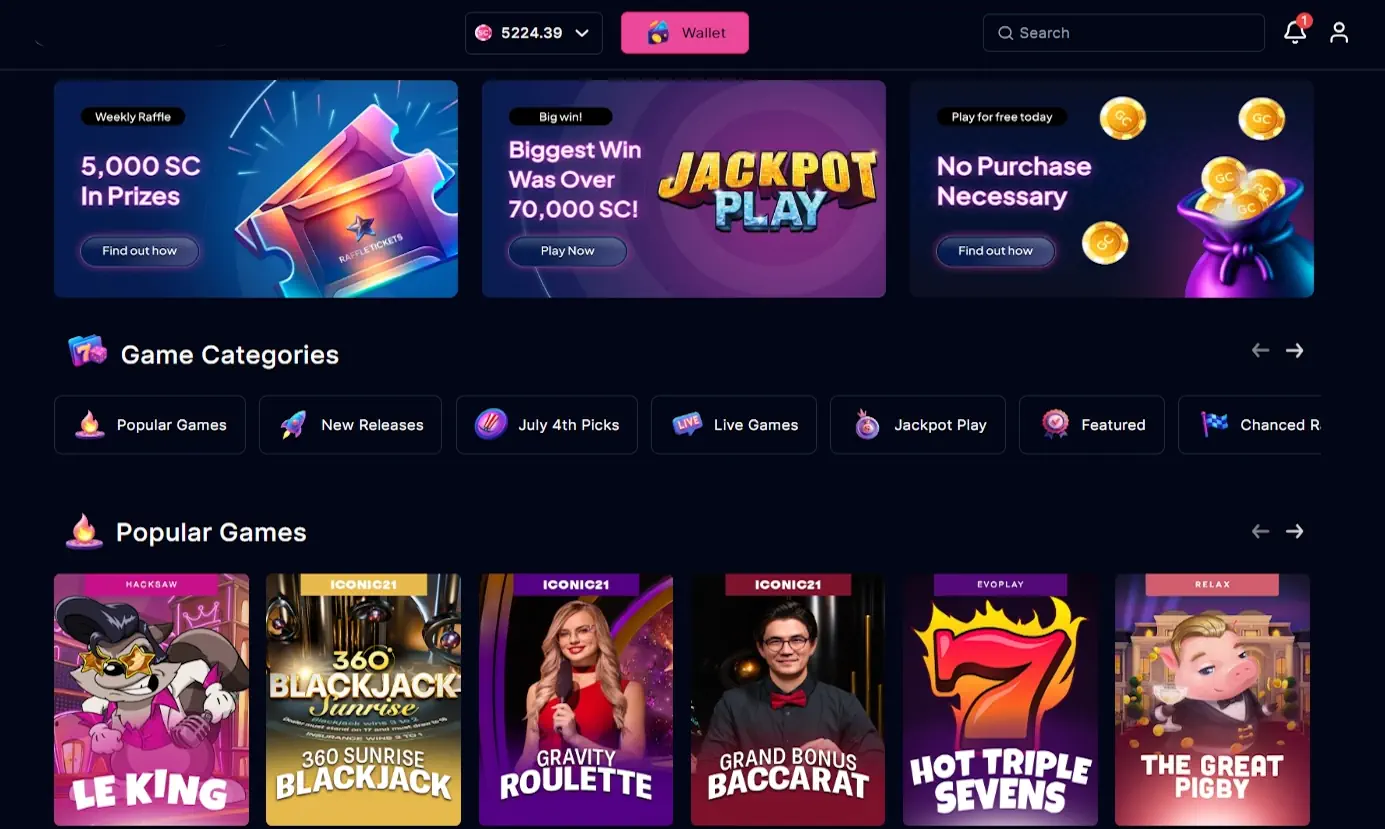
True AI personalization is the goal, but the foundational shift is the move from single-game RTP to portfolio-wide yield management tools for operators. Providers like Bragg Gaming are already pushing this. Your platform's ability to ingest and act on this data will define its 2025 valuation.
FAQ
Why is a multi-wallet a critical casino platform feature?
It automates reconciliation for dozens of currencies and crypto. Operators refuse to handle this manually, making it a non-negotiable cornerstone for modern operations.
How do games aggregators save operators time?
They provide one-contract access to thousands of games. This slashes integration time from potentially six months to under four weeks.
What's the biggest risk during casino software integration?
Failing game round testing. A single misreported spin can void a certification audit and cause severe financial reconciliation issues post-launch.
Which contract clause is most often overlooked?
Clear definitions for Gross Gaming Revenue and downtime compensation. I've seen operators lose significant revenue with no contractual recourse for platform outages.
Why is the Australian iGaming market unique for B2B?
Player value is three times higher on sports-led verticals. Success requires native integration of local payment methods like Poli and a focus on sports betting.
What is the next major innovation in casino software?
The shift from single-game RTP to portfolio-wide yield management tools. Deeply integrated data layers enabling automated, personalized player journeys will define future platforms.
